Are you Prepared for an ICE Raid?
What every business should know about the scope of ICE’s authority and how to minimize workplace disruptions by ICE
As we hear of daily reports of ICE raids at American workplaces, every company, regardless of its workforce makeup, should be prepared for contact with ICE agents and know how to limit workplace disruptions caused by their presence. Regardless of how you personally feel about the current ICE initiatives, ICE does have the authority to enforce certain laws and enter certain parts of your workplace. However, if you prepare effectively, you can reduce workplace disruptions and minimize unnecessary risks of unwarranted detainment.
Here are some steps you can take immediately to better prepare your workforce:
Step One: Publicly post the USCIS requirement that any employee who is not a US citizen must carry originals of their work and residency authorization on their person at all times. They should also maintain copies of this authorization on their phones and also provide a copy to the emergency contact you have on file for the employee. This should help to prevent unnecessary detainments as the employee can immediately prove they are authorized to reside and work in the US. This proof includes all employment authorization documents, including green cards, passports with employment authorization stamps, other written employment authorization documents. You can find more information on employment authorization documents (EAD) and work authorization generally here: https://www.uscis.gov/working-in-the-united-states.

ICE has Authority to Audit your I-9s with 3-Days’ Notice
Step Two: If you have not done so in the last six months, you should make an I-9 audit a priority. One of the first things you should do during the audit is purge any I-9s you are no longer required to keep. The retention period for I-9s is three years from completion OR one year following separation of employment whichever is longer. This means you should have I-9s for:
1. All your existing employees
2. Employees who worked for you for two years or more and who separated within the last year.
3. Employees who worked for you for two years or less but have separated from their employment in the last year.
When doing your audit, review files for employees whose work authorization came from their TPS (Temporary Protect Status) designation, and ensure that those TPS designations have not been revoked. Recent revocations of TPS designations include Nepal, Cameroon, Afghanistan, Haiti, and Venezuela (this has been frozen temporarily). You can find more information on how to update I-9s for employees whose original EAD has expired and who have provided documentation evidencing an extension here: https://www.uscis.gov/book/export/html/59502. General I-9 information, including the lawful use of the E-Verify system, unlawful practices, and how to complete the I-9 is available here: https://www.uscis.gov/i-9-central. Note: No employer is permitted to employ a person who is not authorized to work in the US within the jurisdiction of the USA. If your audit reveals that work authorizations have been revoked or expired, you are required to update the employee’s work authorization or separate them from employment. See this article on common I-9 mistakes.
What’s Ice Authorized to do?
Step Three: You and your employees should know what ICE can or cannot do. Here are some basic guidelines:
1. ICE can audit your I-9s. To do so, they send a request which requires the employer to provide copies of or access to their I-9s in three days or more.
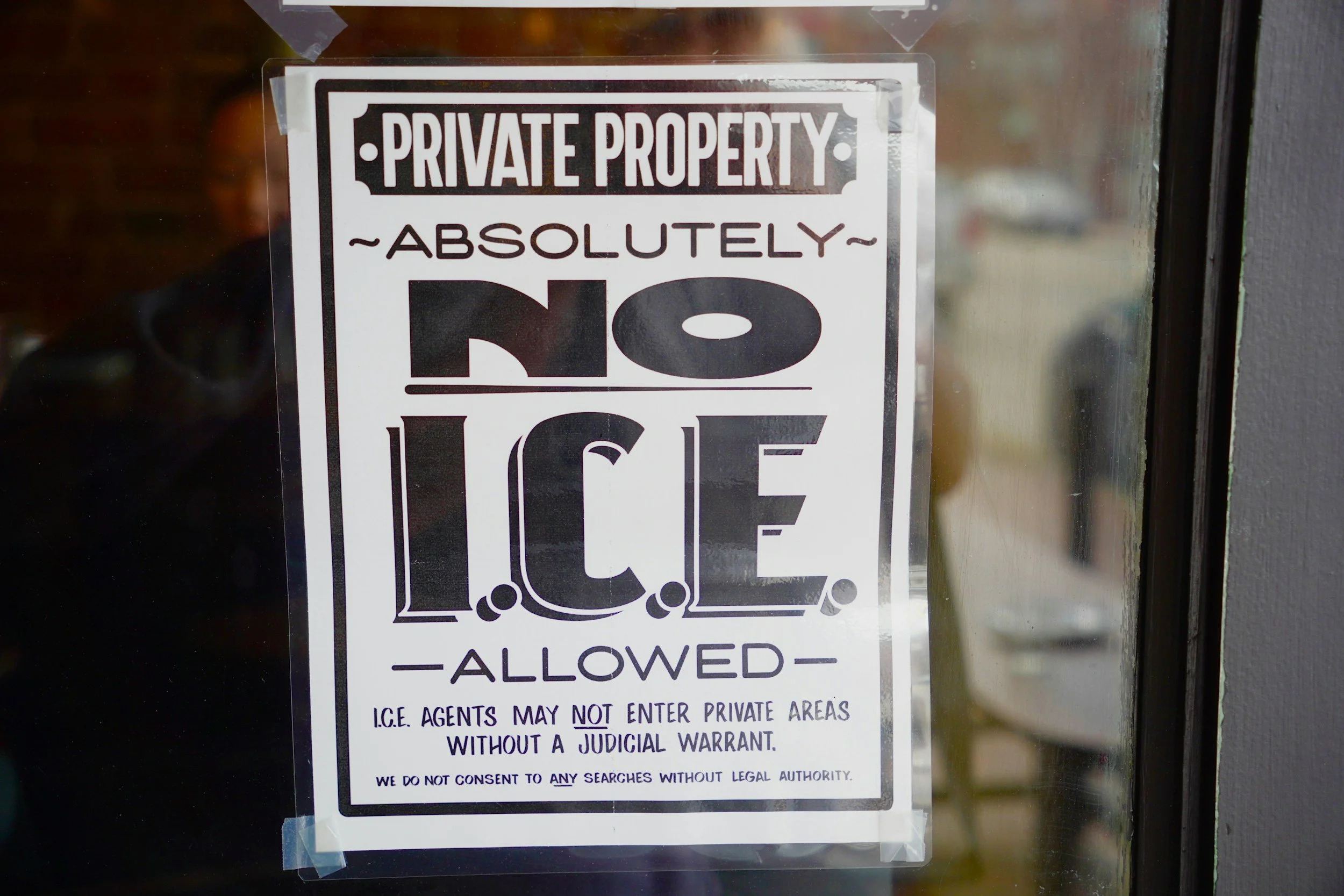
2. ICE can enter any public area of your business without a warrant. This includes waiting rooms, public dining areas, and open retail space. This does not mean that ICE is permitted to question your employees who are in these public spaces, particularly if they’re working.
3. ICE can enter private areas of your business with a judicial warrant. A judicial warrant is issued by a court with jurisdiction over your business and the name of the court is at the top of the warrant. For example, the top of the warrant for a Philadelphia business site would read “U.S. District Court for the Eastern District of Pennsylvania: of “The Court of Common Pleas Philadelphia Country.” This is not the same as an administrative warrant (which is issued by the Department of Homeland Security) which does not authorize ICE to enter private areas of your business.

Workplace Support for at-risk Employees is Vital to Minimizing Disruptions
Step Four: Have some sort of support system in place for employees who are at risk (non-citizens) of unnecessary detention, or whose household members may be at risk of detainment. While you may have done everything by the book to ensure that every employee was authorized to work in the US, you have no control over the residency status of other members of your employees’ households. If an employee’s spouse, or other close family member is detained by ICE, that is likely to cause significant disruptions to the employee’s life which will likely impede their effectiveness in the workplace. Support takes many forms, from being a good listener to having resources on hand to support at-risk employees. Support systems include EAP programs that provide employees with professional behavioral health supports, flexible schedules, a temporary waiver on absentee policies, childcare assistance incentives, or even maintaining a list of pro bono immigration attorneys, immigrant support organizations such as HIAS, or even local law school immigration clinics.
If you need any assistance in ensuring I-9 compliance or I-9 audits, contact us.
People Also Ask
1. What should employers do to prepare for a potential ICE raid?
Employers should ensure I‑9s are compliant, conduct regular internal audits, train managers on ICE authority limits, and educate employees on carrying valid work authorization documents.
2. What areas of a workplace can ICE legally enter?
ICE may enter public areas without a warrant, but private areas require a judicial warrant issued by a court — not an administrative warrant from DHS.
3. How much notice does ICE give before an I‑9 audit?
ICE must provide employers with three business days’ notice before reviewing I‑9 forms.
4. What should employees who are not U.S. citizens carry with them?
Non‑citizen employees should carry original work authorization documents, keep digital copies on their phones, and provide a copy to their emergency contact.
5. How can employers support employees during immigration enforcement actions?
Support may include EAP resources, flexible scheduling, childcare assistance, and maintaining a list of reputable immigration attorneys or nonprofit legal clinics.
6. How should employers store and maintain I‑9 forms to ensure compliance?
I‑9s should be stored separately from personnel files and maintained in a system that allows for immediate retrieval during an audit. Employers using electronic storage must ensure the system includes a secure audit trail showing who accessed or modified each record. Paper I‑9s must be retained unless the employer uses a compliant electronic I‑9 storage system with full audit‑trail functionality.